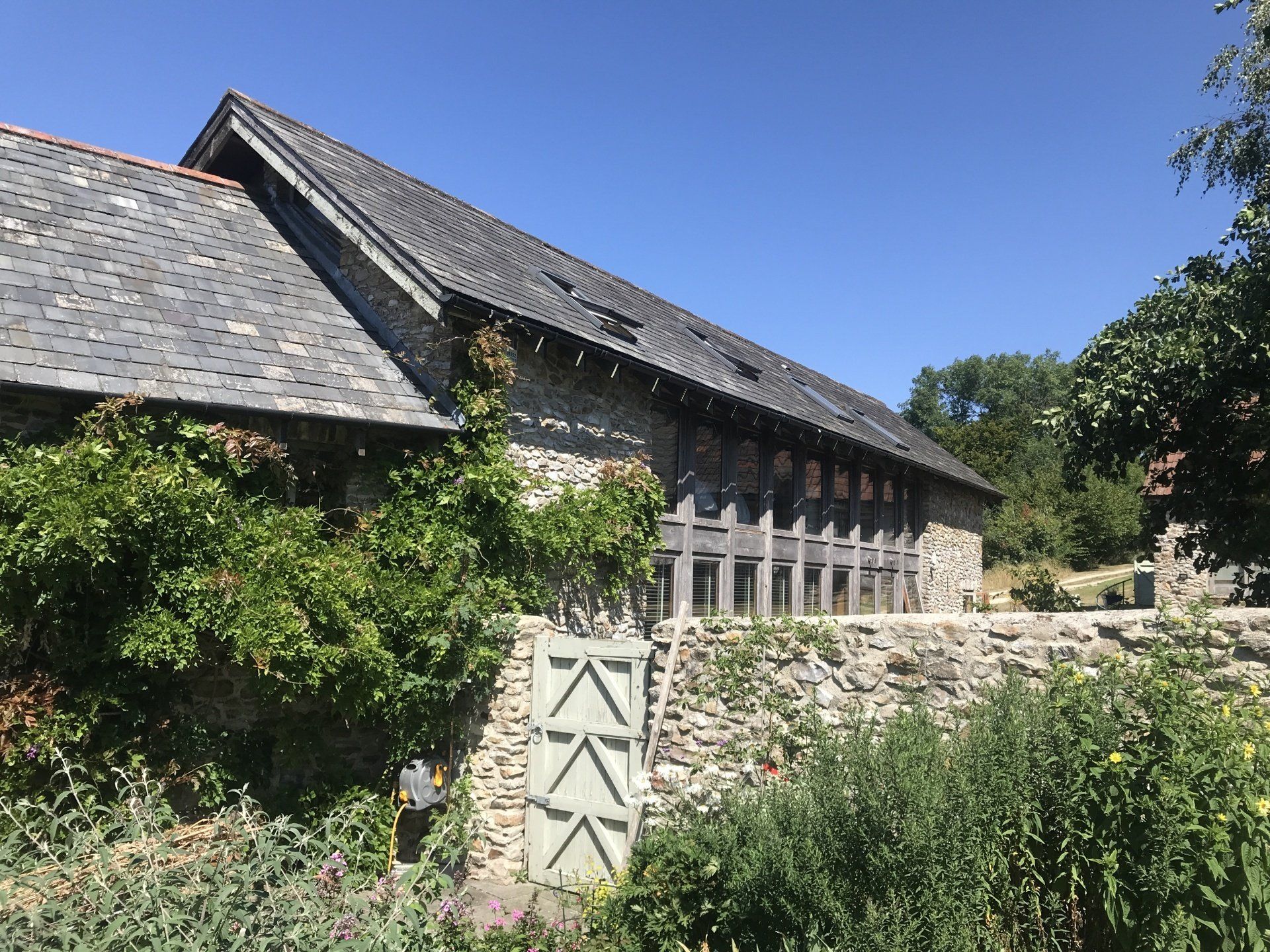

Transform your historic property without compromising character

Single-glazed windows in period properties cause persistent problems: condensation streaming down the glass, black mould in the reveals, cold draughts through the rooms, and heating bills that never deliver comfort. For listed building owners, the solution is rarely straightforward – standard double- or triple-glazing alters historic proportions and typically fails to secure planning consent.
The Game-Changer: Vacuum Glazing
Vacuum glazing changes everything. This technology seals a vacuum between two panes of glass, delivering exceptional thermal performance in an ultra-slim profile (typically 6-8 mm thick) that fits traditional sash and casement sections.
Key performance advantages:
- U-value 0.4-0.7 W/m²K – better than most triple glazing (0.8-1.0 W/m²K).
- Virtually eliminates condensation by keeping the inner pane warm.
- Up to 40% reduction in heat loss and energy costs.
- Heritage-approved products: FINEO, LandVac, Tatra glass.
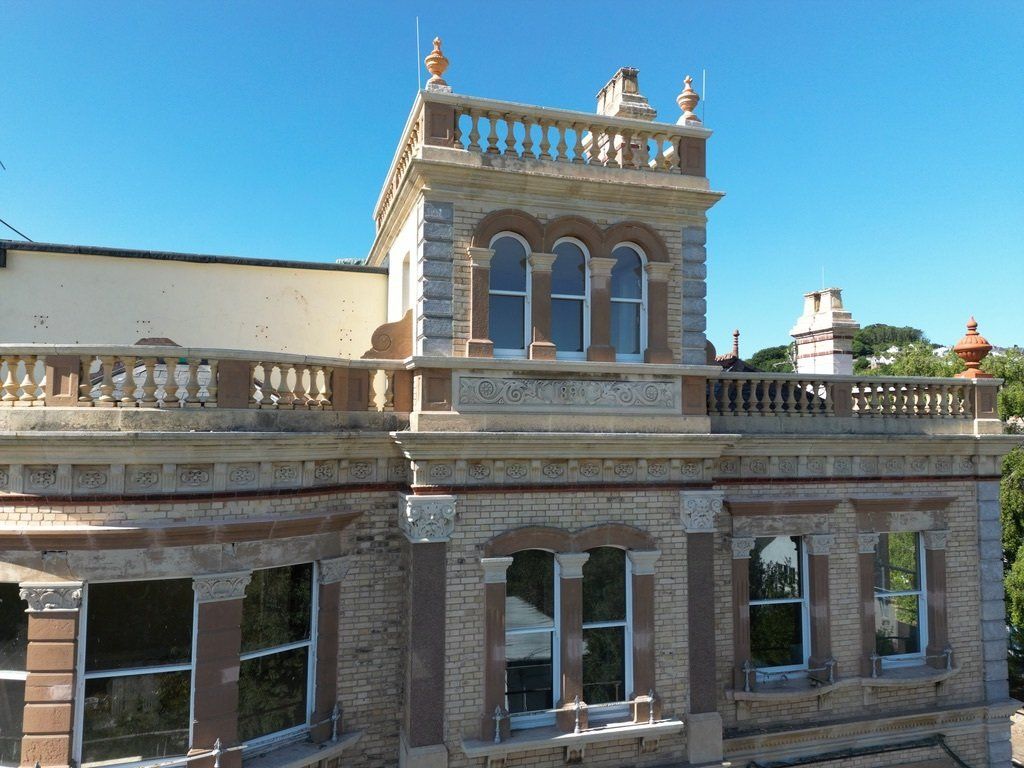
Unlike bulky modern glazing units, vacuum glazing preserves the slender sightlines and visual authenticity that planning officers expect from listed buildings.
Why It Succeeds with Planning Authorities
Conservation officers prioritise minimising harm to the building's historic significance (specialness) and a 'like-for-like' appearance. Vacuum glazing delivers:
| Aspect | Traditional Single | Standard Double | Vacuum Glass |
|---|---|---|---|
| Thickness | 4mm | 20-24mm (bulky) | 6-8mm+ (slim) |
| U-Value | 5.8 | 1.2-1.6 | 0.4-0.7 |
| Consent likelihood | N/A | Often rejected | High success |
The technical case is compelling: superior insulation with minimal visual impact. We've achieved consent on dozens of projects across Devon & Cornwall.
The Retrofit Process
1. Site Assessment: 60-minute on-site consultation to examine your windows, diagnose issues, and confirm suitability for vacuum glazing retrofit.
2. Design & Consent: We develop detailed proposals showing "before and after" sections, thermal calculations, and heritage justification. 99% consent success rate.
3. Installation: Working with specialist local joiners, glazing is fitted into existing frames where possible, or sensitively restored sashes/casements.
4. Result: Clear windows, no condensation, warm rooms, lower bills – historic character preserved.
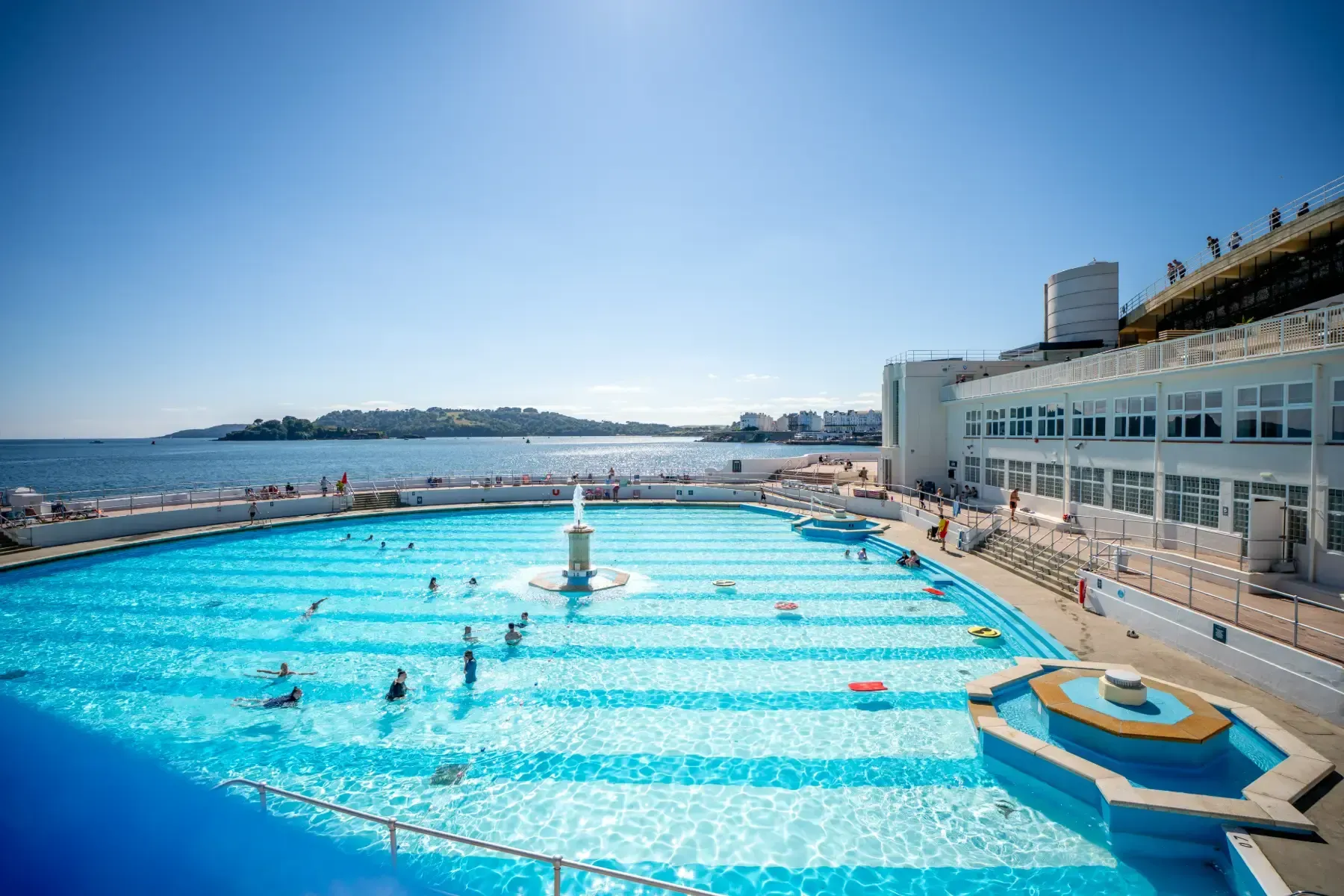
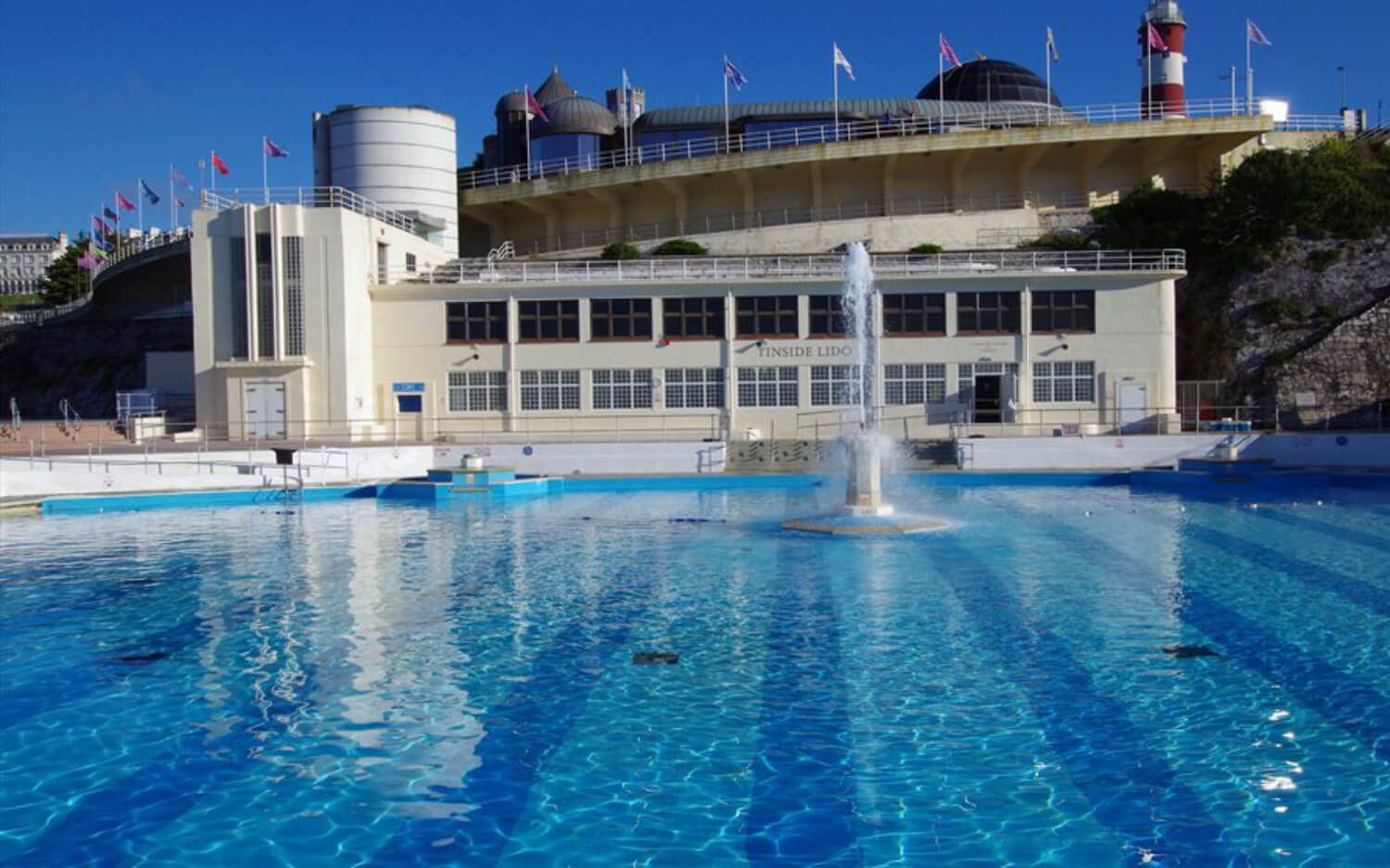
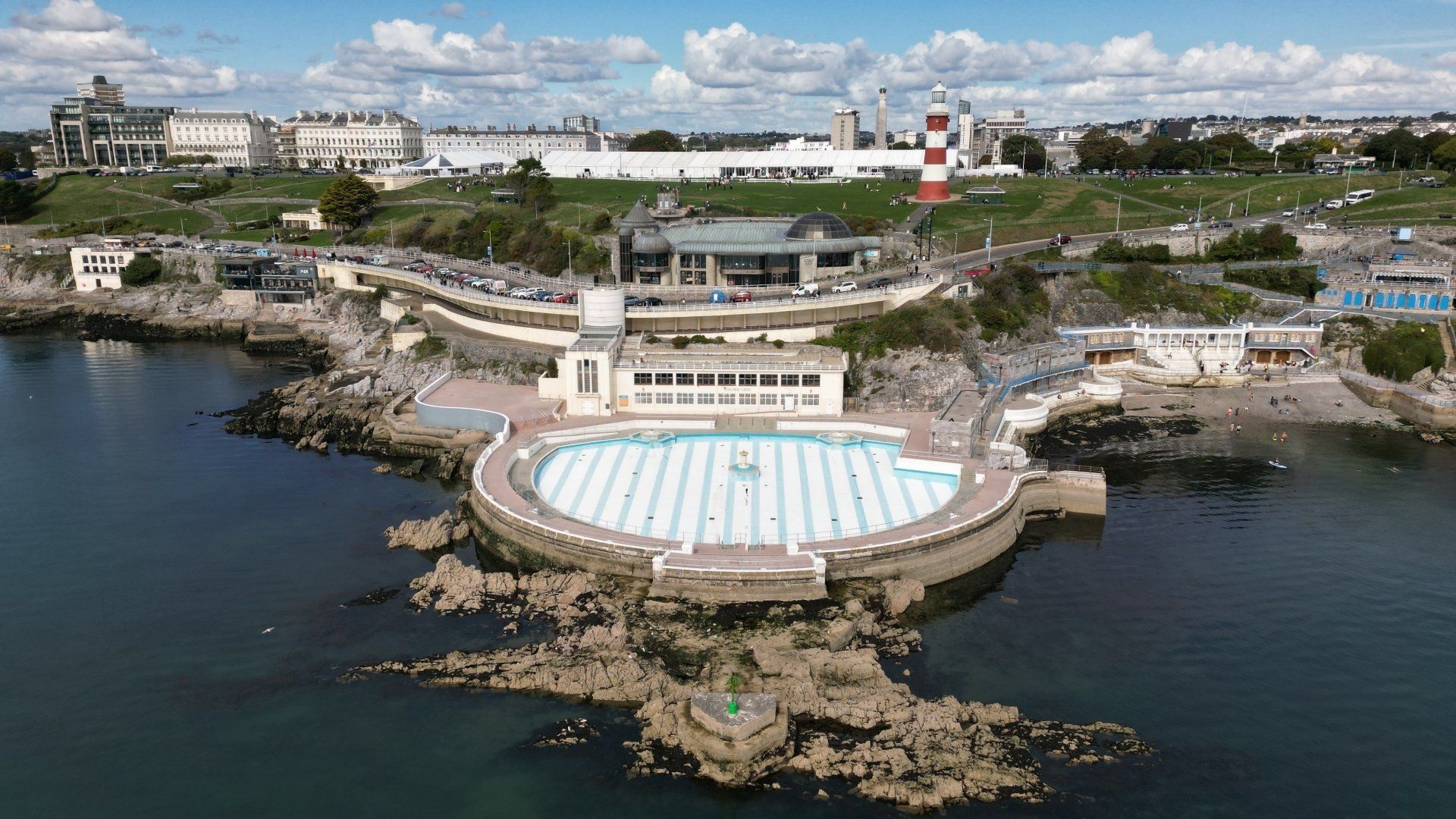
Case Study: Tinside Lido, Plymouth
The Challenge: Grade II-listed Art Deco building with severe condensation, mould growth and annual heating costs. Original casements (4mm single glass).
The Solution: FINEO vacuum glazing retrofitted into restored sashes. New U-value: 0.7 W/m²K.
Results:
- Comfort increased.
- Condensation eliminated.
- Heating costs have significantly reduced.
- Consent approved within 8 weeks.
- Original proportions maintained.
Ready to Upgrade?
If you're tired of damp windows and high bills in your listed property, book a 60-minute consultation for practical guidance and a tailored proposal.
For more information and to book your consultation, see
here.